
The European Green Deal: Transforming the European Economy
November 12, 2024
The European Green Deal: Transforming the European Economy
The European Green Deal is a groundbreaking initiative by the European Union (EU), aiming to transform its economy into a sustainable and competitive one while achieving net-zero carbon emissions by 2050. This ambitious plan is designed to turn environmental challenges into opportunities across all policy areas, ensuring a fair and inclusive transition for all sectors of society. The overarching goal is to make the EU the first climate-neutral continent.
Goals and Objectives
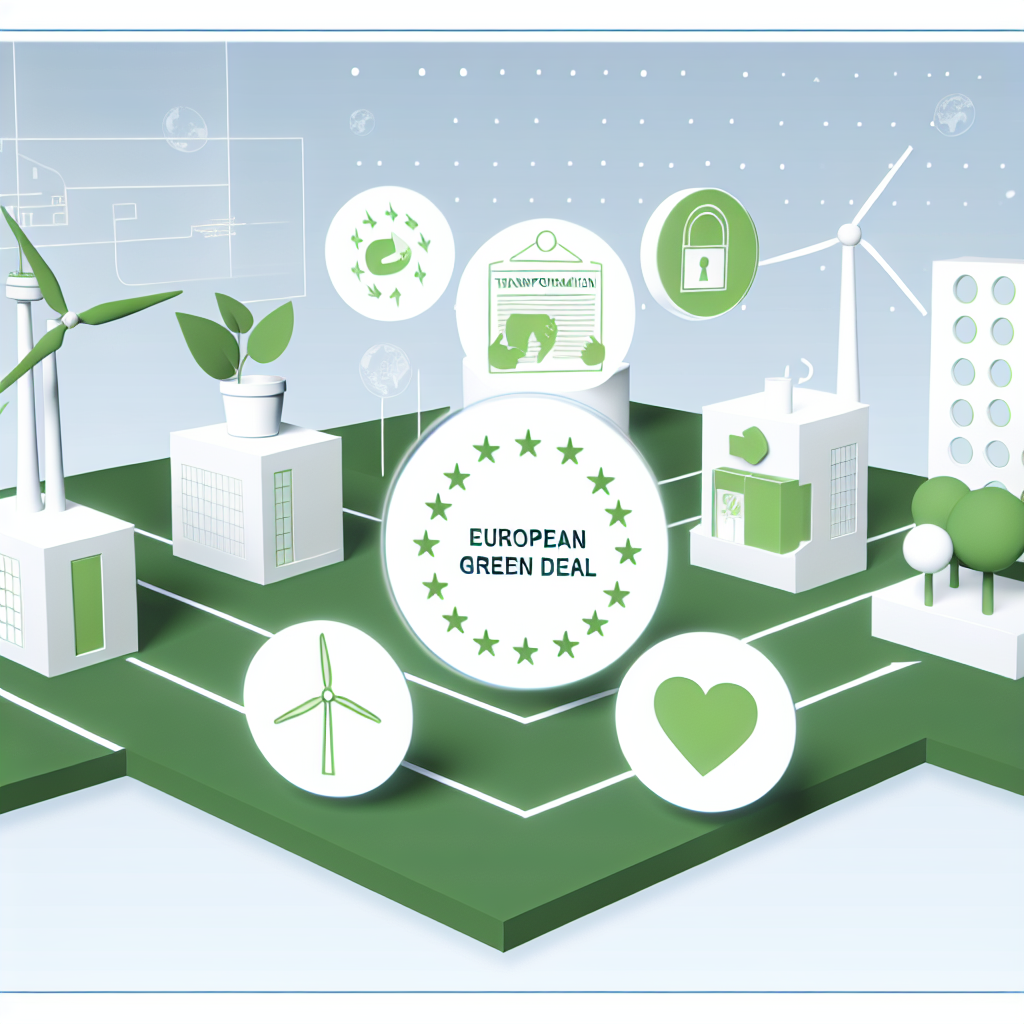
The European Green Deal serves as a comprehensive roadmap for making the EU's economy sustainable. It aims to address climate and environmental challenges by leveraging them as opportunities for growth and innovation. The primary objective is to achieve net-zero greenhouse gas emissions, positioning the EU as a leader in global climate efforts.
Key Areas of Impact
Energy
A significant focus of the Green Deal is on transitioning to renewable energy sources and enhancing energy efficiency. Investments in renewables, grids, and storage are crucial for this transition to a more sustainable energy system.
Industry
The initiative promotes industrial innovation through the adoption of green technologies and strengthens the circular economy by reducing waste and enhancing the recyclability of products. This shift is expected to spur economic growth and create new job opportunities.
Agriculture
Sustainable agriculture is a key component of the Green Deal, promoting practices that reduce emissions, enhance biodiversity, and improve soil health. This approach aims to ensure food security while protecting natural resources.
Transport
The strategy includes plans to shift to cleaner, more sustainable transportation systems, including the electrification of transport networks and increased use of public transit. This transition is vital for reducing emissions in the transport sector.
Economic Impact
The European Green Deal necessitates significant investment and innovation, expected to stimulate economic growth by creating jobs in new industries. However, it may also require shifts in existing industries towards sustainability, potentially leading to economic restructuring. Provisions for financial support are in place to ensure a just transition, minimizing economic disruptions for regions and workers particularly affected.
Global Position
By implementing the Green Deal, the EU positions itself as a leader in global efforts to combat climate change. This could enhance the EU's geopolitical stance and create leadership opportunities in green technologies and sustainable practices. The initiative is seen as a model for other regions aiming to achieve similar goals.
Challenges and Considerations
The transition to a green economy poses challenges, such as ensuring resource availability, fostering technological advancements, and balancing economic growth with environmental sustainability. Collaborative efforts across member states and sectors are essential to overcome these hurdles.
In conclusion, the European Green Deal is a transformative initiative with the potential to reshape the EU's economy to be more sustainable, resilient, and competitive. While it presents challenges, the opportunities for innovation and leadership in creating a sustainable future are immense.
Sources
- European Parliament: Economic Impacts of the Green Transition
- Switch to Green: The EU Green Deal
- PwC: Climate-Focused Policies under the EU Green Deal
- INRAE: Impacts of the European Green Deal on Agrifood
- EY: Redefining Sustainable Growth Globally
- Council of the EU: Green Deal Policies
- Sciences Po: The European Green Deal Event Summary
- ScienceDirect: Greening Europe's Economy
- IDDRI: European Green Deal Insights